
Introduction:
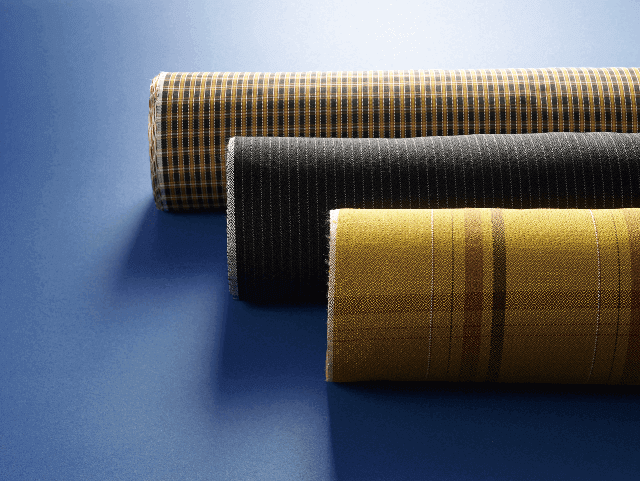
Honba Kihachijo is a traditional Japanese textile that originated in Hachijojima, a remote island located in the Pacific Ocean. It is characterized by its soft, flowing fabric and its intricate patterns, which are created using a variety of weaving techniques.
In this website, we will introduce Honba Kihachijo from the perspective of a master weaver. We will discuss the history and techniques of Honba Kihachijo, as well as the personal stories and experiences of the weavers who create it.
History:
Honba Kihachijo is believed to have originated in the 17th century, when weaving began to develop in Hachijojima. The first Honba Kihachijo pieces were simple, with geometric patterns. However, over time, the technique evolved to create more complex and intricate designs.
By the 19th century, Honba Kihachijo had become a popular art form. It was used to create a variety of garments, including kimonos, obi, and yukata.
Techniques:
Honba Kihachijo is a complex and time-consuming process. It begins with the selection of high-quality silk. The silk is then dyed using natural dyes, and then it is woven on a loom.
There are two main types of weaving used in Honba Kihachijo: shibori and atsushi. Shibori is a tie-dye technique that creates a variety of patterns. Atsushi is a weaving technique that creates a smooth, polished surface.
Honba Kihachijo weavers use a variety of tools to create their designs. The most common tools are mochi, which are wooden blocks used to create patterns, and sashiko, which are needles used to sew patterns.
Personal Stories:
In addition to the history and techniques of Honba Kihachijo, we will also share the personal stories and experiences of the weavers who create it.
We will meet a variety of weavers, from young apprentices to master weavers with decades of experience. We will learn about their passion for Honba Kihachijo, and the challenges and rewards of their work.
Conclusion:
Honba Kihachijo is a unique and beautiful art form that is a reflection of Japanese culture and tradition. It is a testament to the skill and dedication of the craftsmen who create it.